While Missouri doesn’t usually have the same subzero winter temperatures as some states do, it can still experience some chilly winter weather! This can cause stress on your car, often in ways you might not immediately notice. These hidden issues can become serious, especially if you don’t realize that your vehicle needs attention. Here are a few winter car problems to look out for as you drive those frozen roads.
Low Tire Pressure
Ice and snow can make winter roads dangerous and unpredictable, so your tires must be in top shape. Unfortunately, cold temperatures can also affect your tire pressure. Cold air contracts — even inside your tires. That leads to underinflation.
This is a problem when driving, especially on frozen roads. Poorly inflated tires don’t have the traction they need to keep you safe. They are also prone to uneven wear, further deteriorating your tires and shortening their life. Ensure you check your tire pressure every few days while temperatures remain cold to avoid serious winter car problems.
Frozen Lines
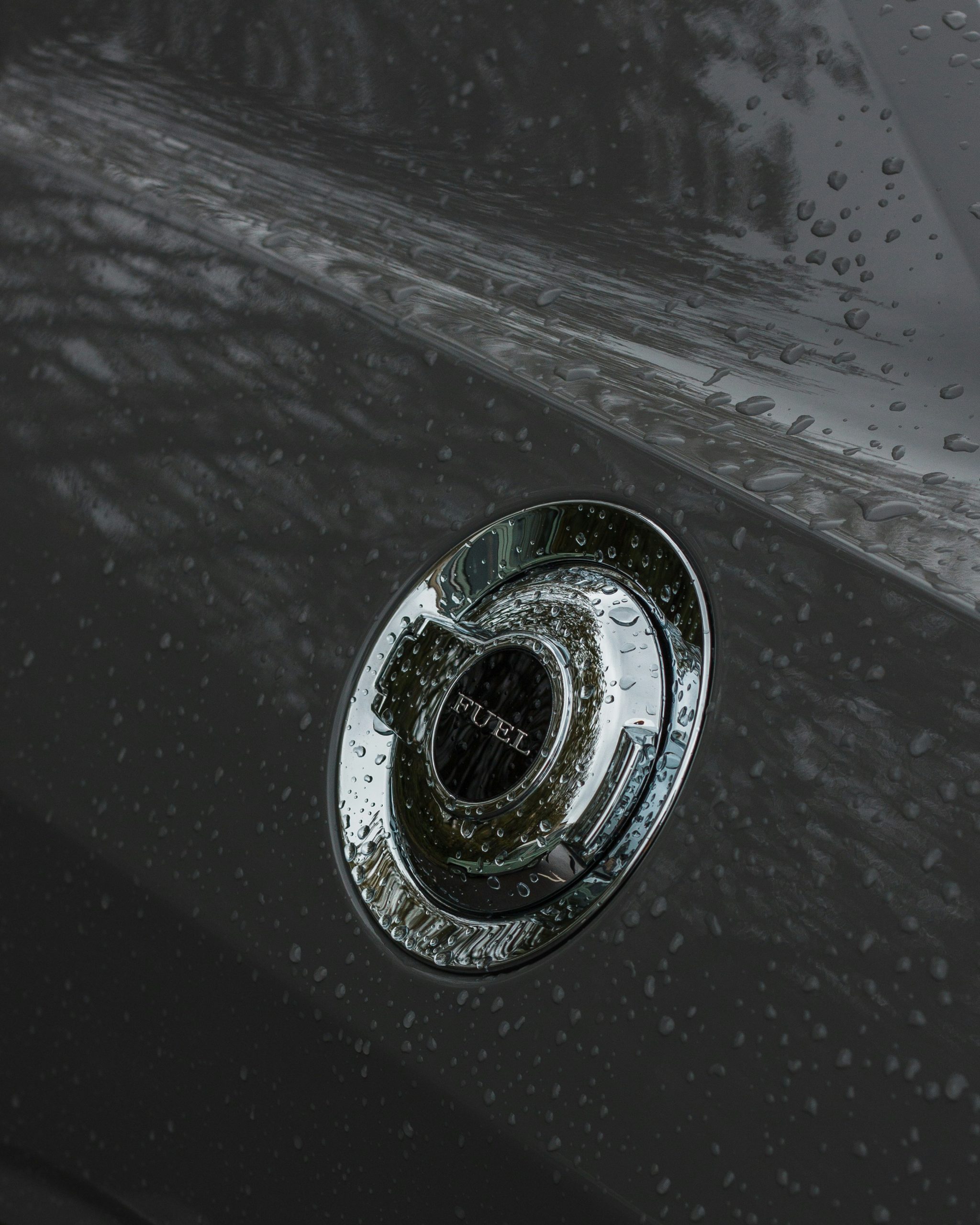
Here’s some good news: gasoline won’t freeze in your car. But that doesn’t mean your gas lines won’t be compromised by severe temperatures. These interior lines also accumulate water, which can freeze in cold weather. This isn’t likely to damage your car, but it can increase your vehicle’s fuel consumption and make it difficult to pump gas.
Luckily, you can reduce the likelihood of frozen, clogged gas lines by keeping your gas tank at least half full.
Frozen Fluids
Your car relies on a wide variety of fluids to keep its parts running smoothly and properly regulated. But when temperatures plummet, these may cause winter car problems. Oil, antifreeze, and transmission fluid become thicker in the cold, leading to poor circulation.
You might notice your car struggling, especially as it first starts. Unfortunately, there aren’t many things you can do to combat this. The one thing that might help is switching to a different oil that is naturally thinner and less prone to clumping up in the cold
Battery Problems
Your car battery literally supplies the power your vehicle needs to run. Unfortunately, cold temperatures can affect your battery, making it too cold to get the charge needed to start.
This is more likely to happen to aging batteries and working less effectively even on an average day. A battery warmer may be able to help, but if it’s a regular winter car problem, it might be time for a new battery.
Brittle Rubber Parts
Cold weather does a number on all kinds of materials. It can cause them to contract, freeze, become more brittle, or even crack. When it comes to rubber parts on your vehicle — including windshield wipes, door and window seals, and belts — icy temps can be particularly damaging.
This can be a big problem when it comes to doors and windows. When rubber seals are affected, they can become damaged. And that can lead to your door freezing shut regularly, which no one wants to deal with!
It can also cause winter car problems with your windshield wipers. When their rubber components break down, they work less effectively.
Winterized windshield wipers offer an extra layer of protection during the freezing temperatures. As for door seals, consider applying a special spray to keep them from freezing.
Keeping Your Car In Top Shape This Winter
An expert mechanic can help protect your vehicle from winter car problems when temperatures drop. Call Bird Automotive in Oak Grove, MO, at 816-307-9744 or 816-608-6997 for our Blue Spring location. We will be happy to schedule an appointment to winterize your car today or diagnose any issues you’re facing.