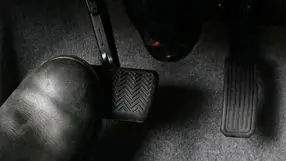

Your vehicle’s brakes are one of its most crucial safety features. When they start showing signs of trouble, it’s not just an inconvenience; it’s a risk.
Recognizing the symptoms of bad brakes early can prevent accidents, save money, and give you peace of mind on the road.
In this article, we’ll explore the most common bad brake symptoms, their causes, and what you should do if you notice them.
Why Brakes Are Important
Brakes ensure that your car can slow down or stop safely. They work by converting the energy of motion into heat through friction, allowing your car to come to a halt. Over time, the parts involved in this process—like brake pads, rotors, and calipers—can wear down, causing performance issues. Ignoring these issues can lead to brake failure, which is both dangerous and expensive to fix.
Common Symptoms of Bad Brakes
Here are the telltale signs that your brakes might need attention:
1. Squealing or Screeching Sounds
One of the earliest indicators of brake problems is an unusual sound when you apply the brakes. High-pitched squealing is often caused by worn brake pads. Many modern brake pads have built-in wear indicators that create this noise to signal that it’s time for a replacement. If left unchecked, the squealing may turn into grinding, indicating severe damage to the brake rotors.
2. Grinding Noise
A grinding sound usually means that your brake pads are completely worn out. At this stage, the metal of the brake caliper is likely rubbing against the metal of the rotor. This can damage the rotor and lead to costly repairs. Grinding noises should never be ignored.
3. Vibration or Pulsation
If you feel a vibration or pulsation through the brake pedal when stopping, it might indicate warped rotors. Warped rotors can occur from excessive heat buildup or uneven wear. This symptom is often noticeable during hard braking at high speeds.
4. Soft or Spongy Brake Pedal
A brake pedal that feels soft or spongy when pressed can indicate a problem with the brake fluid or air in the brake lines. This can reduce the effectiveness of your braking system and should be addressed immediately.
5. Pulling to One Side
If your vehicle pulls to one side when braking, it could be due to uneven brake pad wear, a stuck caliper, or an issue with the brake fluid. This problem affects your ability to maintain control of the vehicle and needs professional inspection.
6. Burning Smell
A strong, burning chemical odor after hard braking could indicate overheated brakes. This can happen when you’re driving down a steep hill or in stop-and-go traffic. Overheated brakes can lose their effectiveness temporarily, a condition known as brake fade.
7. Brake Warning Light
Most vehicles have a dashboard warning light that alerts you to brake problems. If this light turns on, it could indicate anything from low brake fluid levels to an issue with the anti-lock braking system (ABS). Don’t ignore it; have your brakes inspected as soon as possible.
Causes of Bad Brakes
Understanding what causes brake issues can help you avoid them in the future. Common causes include:
- Worn Brake Pads: Brake pads wear down over time and need regular replacement.
- Overheated Rotors: Excessive heat can warp rotors, reducing braking efficiency.
- Brake Fluid Leaks: Leaks can cause a drop in brake fluid pressure, making it harder to stop.
- Driving Habits: Aggressive braking or riding the brakes can lead to premature wear.
- Poor Maintenance: Neglecting routine brake inspections and servicing can lead to long-term damage.
What to Do If You Notice Bad Brake Symptoms
If you notice any of these symptoms, it’s important to act quickly. Here’s what you should do:
- Don’t Delay Repairs
Continuing to drive with bad brakes can worsen the damage and put you and others at risk. Schedule a visit to a trusted mechanic as soon as possible. - Inspect the Brakes
If you’re comfortable, you can visually inspect the brake pads and rotors. Worn pads are usually less than a quarter-inch thick, and damaged rotors may have grooves or discoloration. - Check Brake Fluid Levels
Low brake fluid can affect braking performance. Make sure the fluid level is within the recommended range and that the fluid is clean. - Drive Safely
If your brakes are acting up, drive cautiously. Avoid high speeds and leave plenty of distance between you and other vehicles until the issue is resolved.
Preventing Brake Problems
Regular maintenance is key to preventing brake issues. Here are some tips to keep your brakes in top condition:
- Routine Inspections: Have your brakes inspected at least once a year or as recommended in your vehicle’s manual.
- Replace Brake Pads: Change your brake pads before they’re completely worn out to avoid rotor damage.
- Flush Brake Fluid: Brake fluid absorbs moisture over time, which can reduce its effectiveness. Flushing the fluid every 2-3 years can prevent this.
- Drive Smoothly: Avoid sudden stops and heavy braking to reduce wear on your brakes.
Final Thoughts
Your vehicle’s braking system is essential for your safety. By recognizing the symptoms of bad brakes early and addressing them promptly, you can avoid costly repairs and ensure a safe driving experience.
If you’re ever unsure about your brakes, don’t hesitate to consult a professional. When it comes to brakes, it’s always better to be safe than sorry.